Upgrade Your Home: The Ultimate Handyman's Guide for Remarkable Kitchen and Bathroom Renovations
Upgrading a home, particularly kitchen and bathroom spaces, requires careful planning and informed choices. Homeowners often deal with decisions about materials, designs, and the choice between DIY approaches or professional assistance. Every element plays a significant role in creating functional and visually appealing spaces. Grasping these factors can lead to dramatic transformations. The sections below will examine key tips and approaches that can significantly enhance these spaces within the home.
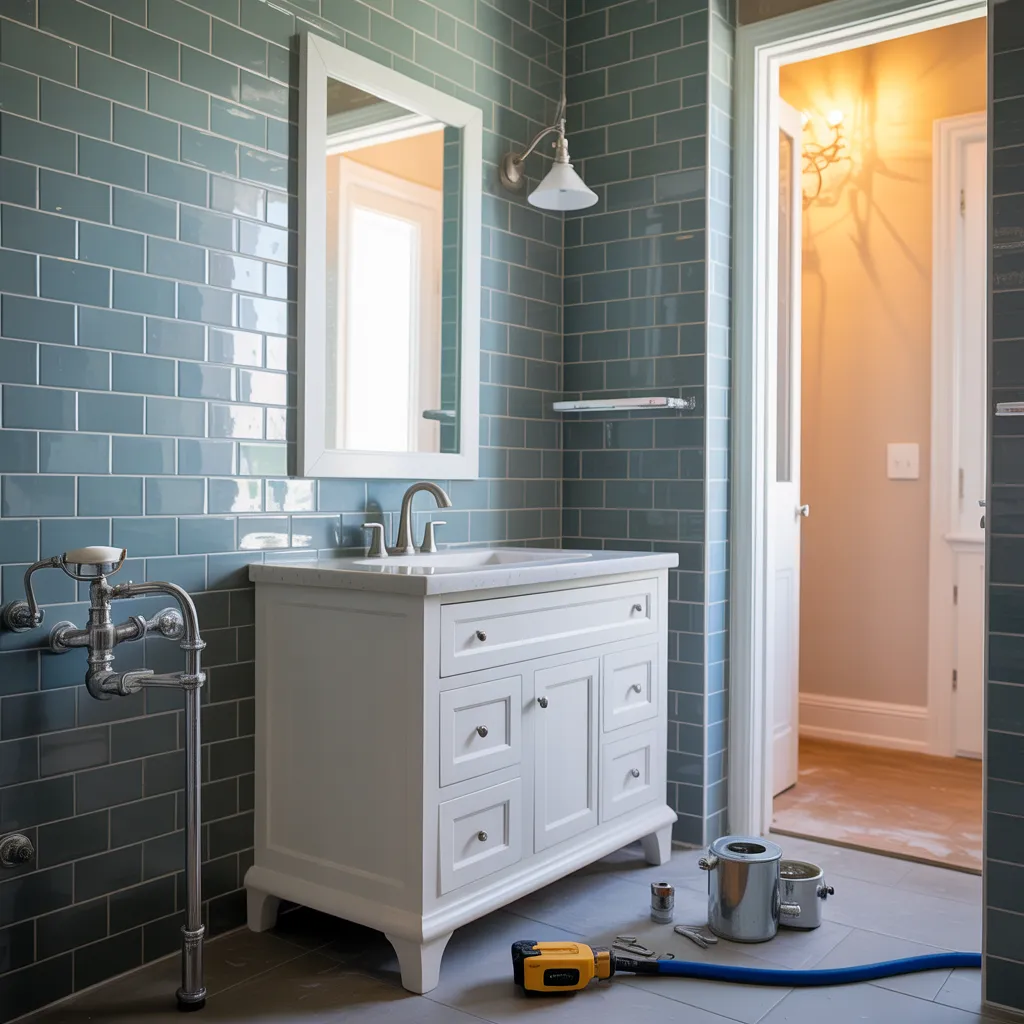
Key Supplies for Your Kitchen and Bathroom Renovation
A range of essential materials can greatly enhance the outcome of a kitchen and bathroom makeover. Premium cabinetry plays a significant role, delivering both utility and decorative value. Surface tops crafted from durable materials such as natural stone or quartz offer a useful yet elegant surface, withstanding routine use and stress.
In addition, flooring options like ceramic tiles or luxury vinyl can completely change the look of the space while ensuring easy maintenance. Backsplash materials, from glass to subway tiles, enhance aesthetics and guard walls against moisture damage. Hardware including faucets and light fixtures, need to be selected based on both their appearance and their lasting efficiency.
When it comes to paint, premium, moisture-resistant choices are essential for both bathroom and kitchen spaces. Additionally, including environmentally friendly materials can boost sustainability. By deliberately choosing these materials, homeowners can create a cohesive and inviting environment that satisfies both practical and visual requirements.
How to Select the Ideal Layout for Your Kitchen and Bathroom?
What is the best way for homeowners to figure out the perfect layout for their kitchen and bathroom? The process begins with evaluating the available space and understanding personal needs. In kitchens, the "work triangle" principle—linking the sink, stove, and refrigerator—promotes efficient use of space. Homeowners are encouraged to factor in traffic flow and the strategic placement of islands or bar seating to maximize usability.
When it comes to bathrooms, practicality is paramount. Homeowners should assess the necessity of distinct areas, like sinks and shower areas, to accommodate multiple users. Optimal fixture placement can help maximize the available space, especially in more compact spaces.
In both spaces, natural light and ventilation should be prioritized, potentially affecting how windows are positioned and designed. Moreover, current design trends and personal style should be factored in to achieve a harmonious appearance. By carefully analyzing these elements, property owners are able to choose arrangements that satisfy both their functional requirements while simultaneously improving the overall look and feel of the space.
DIY or Hiring a Professional Which Is Right for You
Deciding whether to approach home renovations as a DIY project or by enlisting professional help has a major effect on how a project turns out. Homeowners need to carefully consider their abilities, available time, and financial resources before deciding. Taking on projects personally can be economical, enabling homeowners to reduce labor expenses while achieving a sense of accomplishment. That said, these endeavors demand a considerable amount of time and can result in errors that are expensive to correct.
Conversely, working with professionals provides a higher level of expertise, efficiency, and access to specialized tools. Skilled professionals are capable of managing demanding tasks, follow established building requirements, and offer guarantees on their services. Ultimately, the choice copyrights on the property owner's belief in their capabilities and the complexity of the renovation. For smaller, straightforward projects, DIY might suffice, while comprehensive remodeling efforts commonly yield better results with professional assistance.
Get the Most Out of Your Space: Smart Layout Ideas
In an effort to optimize living space, carefully planned layout options can considerably boost a home's comfort and usability. By focusing on optimized storage solutions, ensuring smooth flow and functionality, and incorporating multi-use furniture, homeowners can establish a more productive living space. These intelligent layout strategies not only elevate the visual appeal but also enrich everyday living.
Enhance Storage Solutions
Optimizing storage capacity plays a vital role in developing a practical and tidy household. Within kitchen spaces, taking advantage of vertical space using shelves or cabinets fixed to walls helps liberate precious countertop space. Adding sliding drawers or lazy Susans inside cabinets improves ease of access and overall efficiency. Within bathroom spaces, shelving units above the toilet offer additional storage while preserving floor area. Selecting multipurpose furniture options, including ottomans equipped with hidden storage areas, helps cultivate a neater living environment. Furthermore, employing transparent containers and labels within closets assists in preserving organization and clarity. By carefully putting these storage ideas into practice, homeowners can transform cluttered spaces into streamlined, efficient areas that enhance daily living. Thoughtful organization not only improves functionality but also elevates the overall aesthetic of the home.
Design and Functionality
Developing a harmonious sense of flow and function within a space is essential for improving everyday living. In kitchen planning, the work triangle—comprising the refrigerator, stove, and sink—should support efficient movement, minimizing unnecessary steps during meal preparation. In the same way, in bathrooms, strategic placement of fixtures can simplify morning routines. Open-plan designs can encourage a sense of spaciousness, while defined zones can maximize efficiency. For instance, adding islands in kitchens not only supplies additional counter space but also encourages social interaction. In bathrooms, consider the accessibility of storage and fixtures, making sure they address user needs. Ultimately, emphasizing flow and functionality transforms spaces into practical environments, boosting both comfort and efficiency in daily tasks.
Multifunctional Furniture Concepts
While many might overlook the significance of multifunctional furniture, it proves to be a transformative asset in managing limited spaces. This innovative approach allows homeowners to maximize limited areas, especially in kitchens and bathrooms where space is frequently limited. For instance, a dining table that also functions as a work area can simplify daily tasks, while ottomans with hidden storage can reduce disorganization. Murphy beds convert spare rooms into practical areas during the day, and wall-mounted shelves can act as stylish yet practical storage options. By introducing these versatile pieces, individuals can design spaces that are not only aesthetically pleasing but also highly functional. Adopting multi-use furniture is a wise approach for improving functionality and comfort in any home renovation.
Quick Design Tricks to Transform Your Kitchen and Bathroom
Refreshing a kitchen or bathroom can be realized through straightforward design strategies that make a significant impact. Applying fresh paint to cabinetry, replacing hardware, and incorporating decorative backsplashes are proven strategies to elevate these vital spaces. These modifications not only improve visual appeal but also improve efficiency and general satisfaction.
Paint Cabinetry for Impact
Transforming kitchen and bathroom spaces can be as easy as refreshing cabinetry with a new layer of paint. This straightforward approach can remarkably shift the feel of these rooms without extensive renovations. Selecting the perfect color is crucial; softer tones can create an airy feel, while vibrant colors introduce character and depth. Surface preparation is fundamental—priming, cleaning, and sanding the cabinetry surfaces provides optimal adhesion and a polished result. Opting for high-quality paint review this content engineered for cabinet use enhances durability and ease of cleaning. Approaches including distressing and glazing can introduce charm, elevating the complete look. By directing attention to cabinetry, households can accomplish a powerful visual upgrade, making their kitchens and bathrooms feel rejuvenated and inviting.
Refresh Hardware Stylishly
A few simple updates to hardware can transform the look of bathrooms and kitchens without an extensive remodel. Swapping out old drawer pulls and cabinet knobs for sleek, modern alternatives can produce a revitalized appearance. Choosing finishes like brushed nickel or matte black adds a contemporary touch, while aged brass can create a traditional appeal. Furthermore, updating faucet handles can invigorate sinks, making them more functional and stylish. For a cohesive look, matching the hardware across every element is key, including all cabinetry and fixtures. Integrating distinctive designs, such as handcrafted elements or geometric patterns, can also add personality. In summary, these hardware updates serve as an accessible way to improve both the aesthetics and usability of any room.
Incorporate Stylish Backsplashes
Even though a total kitchen or bathroom overhaul can seem daunting, adding elegant backsplashes provides a simple method to enhance the area. Backsplashes offer both utilitarian and visual benefits, shielding walls from water damage while contributing decorative appeal. Homeowners may select from a wide range of materials, such as ceramic tiles, glass, and natural stone, allowing for creative expression. Designs, hues, and textures can be blended to tailor the aesthetic, ensuring a harmonious match with existing interior design. For a rapid transformation, peel-and-stick solutions can be found, delivering a cost-effective and reversible choice. Moreover, applying a dramatic design can craft a visual anchor, attracting the gaze and improving the general ambiance. With deliberate choices, backsplashes can turn simple spaces into sophisticated havens.

Maintenance Tips to Keep Your New Space Looking Great
To make certain that a freshly remodeled space stays fresh and welcoming, routine upkeep is necessary. When it comes to kitchens, consistent cleaning of countertops and kitchen equipment prevents the buildup of grime and stains. Utilizing mild cleaning solutions preserves surfaces while preventing deterioration. Within bathroom areas, routine checking of grout lines and caulk helps avoid mold development and moisture damage; replacing caulk when required is a wise practice.
Furthermore, examining for leaks under sinks and near fixtures guarantees that any issues are addressed promptly. Utilizing strainers to ensure drains remain unobstructed works to avoid clogs and sustain optimal performance.
For each of these spaces, routine deep cleaning of cabinets and shelves not only improves their look but also extends their longevity. Additionally, establishing a seasonal maintenance checklist can keep the spaces in prime condition. By applying these suggestions, homeowners can be confident their renovated kitchens and bathrooms stay as beautiful as when they were first finished.
Common Questions and Answers
What Are the Latest Trends in Kitchen and Bathroom Design?
Emerging patterns in kitchen and bathroom design emphasize open spaces, natural materials, smart technology, and sustainable solutions. Minimalist fixtures, bold colors, and multifunctional layouts simultaneously elevate visual appeal while enhancing functionality for today's homes.
How Do I Maintain My Budget Throughout My Renovation?
To stay on budget during renovations, one should concentrate on necessary upgrades, create a detailed plan, set a realistic budget, track expenses diligently, and look into DIY approaches for smaller projects to reduce overall expenses efficiently.
What Permits Are Needed for My Kitchen or Bathroom Remodel?
For remodeling kitchens or bathrooms, one typically needs plumbing permits, building permits, and electrical permits. Requirements vary by location, so reviewing local regulations and speaking with the appropriate officials remains critically important prior to beginning any project.
How Much Time Does a Standard Kitchen or Bathroom Makeover Require?
A standard kitchen or bathroom renovation usually takes between 4 to 8 weeks, based on the scale of the renovation, materials selected, and scheduling of contractors. Proper planning and scheduling can help guarantee a more efficient renovation process.
What Should I Do With My Old Fixtures and Materials?
Old fixtures and materials can be repurposed, donated, or recycled. Many local charities accept usable items, while recycling centers handle materials like metals and plastics. Opting for eco-conscious choices encourages sustainability and lessens contributions to landfills.