Transform Your Space: Professional TV Wall Setup Solutions for the Ideal Home Cinema Transformation
Professional TV wall mounting solutions can significantly improve the at-home viewing experience. By ensuring ideal viewing angles and reducing clutter, these solutions deliver both practicality and elegance to any room. Professional installation further eliminates typical concerns including glare and neck fatigue. Understanding the nuances of this process is essential. What aspects should homeowners evaluate before transitioning to a wall-mounted configuration? The insights may transform your complete entertainment setup.
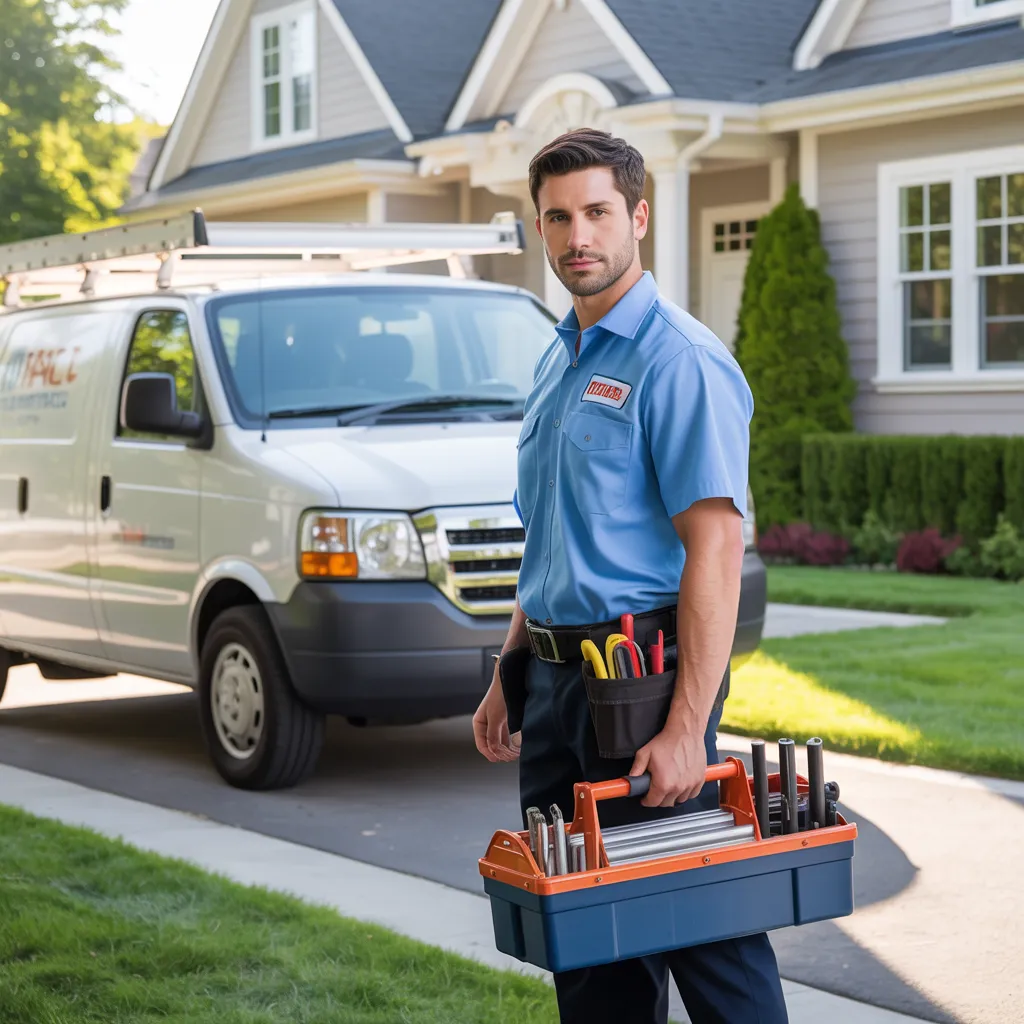
What Are the Benefits of Professional TV Wall Mounting?
Professional TV wall mounting offers many benefits that improve both practicality and visual appeal. Above all, it maximizes floor space, resulting in a neater, more streamlined environment. By positioning the television at a higher level, it reduces the risk of accidental damage and ensures wiring remains out of reach, enhancing safety, particularly in households with young children and pets. Moreover, a TV that has been expertly mounted offers the best viewing angles, minimizing glare and enhancing the overall viewing experience.
Moreover, correct installation ensures that the TV is securely anchored, reducing the likelihood of falls or damage. Expert services frequently offer cord management options, which cover unsightly cords, promoting a tidy visual appeal. Furthermore, qualified installers can analyze wall surfaces and determine the proper mounting components, guaranteeing suitability and strength. All things considered, professional TV wall mounting not only elevates the aesthetic appeal of a room but also considerably optimizes the practical dimensions of TV use.
How a Mounted TV Elevates Your Home Cinema
A mounted TV greatly enhances the home cinema experience by providing ideal viewing angles, allowing for better sightlines from different seating positions. This arrangement not only optimizes space by doing away with cumbersome furniture but also promotes a tidier, more visually appealing design. In the end, a wall-mounted TV creates a more immersive and organized environment for experiencing movies and series.
Superior Viewing Angles
Wall-mounting a TV not only raises its placement but also significantly improves viewing angles, elevating the home entertainment experience. By placing the display at eye level, viewers can enjoy a more immersive viewing experience, eliminating neck fatigue and enhancing relaxation. This careful installation minimizes reflections and glare from windows and lights, providing sharper visuals at any hour. Moreover, mounted screens can be tilted to cater to different seating layouts, ensuring every person in the space benefits from perfect picture clarity. This flexibility is highly valuable for larger spaces where seating may vary. In the end, the improved sightlines offered by a wall-mounted TV establish a more comfortable and immersive setting for film evenings and extended viewing sessions.
Space Efficiency Benefits
Upgrading a living area is achieved through a wall-mounted TV, which considerably enhances space in any home cinema setup. By removing oversized furniture and freeing up floor space, a TV secured to the wall allows for a more efficient use of space. This configuration not only enhances movement within the room but also facilitates better seating arrangements, allowing homeowners to craft an inviting viewing space. Additionally, mounting the TV on the wall reduces cord disorder, contributing to a tidier appearance. This streamlined approach encourages creative layouts, enabling homeowners to utilize their space more effectively. Ultimately, a wall-fixed screen is a practical solution that maximizes the potential of a home cinema, delivering an ideal combination of usability and relaxation in every viewing session.
Visually Appealing Design
Enhancing the aesthetic quality of a home cinema, a wall-mounted TV creates a clean and contemporary focal point in any room. This setup does away with cumbersome furniture pieces, allowing for a more spacious and welcoming atmosphere. By placing the TV at eye level, viewers can appreciate a superior cinematic experience while maintaining an elegant aesthetic. The smooth incorporation of a mounted TV into the wall design further elevates the overall decor, creating a sophisticated ambiance. Additionally, this setup provides creative opportunities, such as adding decorative shelving or art pieces around the TV. Ultimately, a wall-mounted TV transforms a space, merging functionality with a contemporary design that suits any home theater setting.
How to Select the Right Location for Your TV
Where should one consider placing their TV for ideal viewing? The best location copyrights on several key factors, including the layout of the room, the seating configuration, and the lighting environment. Choosing a wall that reduces glare from natural and artificial light sources is key to an enjoyable viewing experience. Positioning the TV at eye level when seated enhances visibility and reduces neck strain.
Furthermore, the distance from the viewing area is a key consideration; the recommended distance generally falls from 1.5 to 2.5 times the screen diagonal. This guarantees that individuals can experience the display quality without causing eye strain.
Examine the area's central feature; the TV should complement the space rather than dominate it. Additionally, convenience for wiring solutions and future improvements should also guide the selection. By weighing these elements, one can choose a position that optimizes both decorative value and usability, creating an inviting home theater environment.
What Tools Are Necessary for Wall Mounting?
To effectively hang a TV on the wall, having the right tools is essential. A stud finder is essential for identifying wall studs, providing a reliable attachment. A level confirms the TV is aligned properly, while a measuring tape assists with accurate positioning. A power drill is necessary for creating pilot holes, and wall mount-compatible screws should be readily available. Furthermore, a socket wrench or wrench may be required to secure the bolts.
Safety goggles are essential to protect eyes during installation, and a screwdriver is necessary for properly securing all components. For larger TVs, a second person can assist with handling and positioning. Additionally, cable management accessories, like clips or ties, contribute to a clean and organized look. Using these tools, the installation process is streamlined, resulting in an optimal viewing experience.
Common Installation Pitfalls to Avoid
Hanging a TV can rapidly become a challenging task if typical mistakes go unnoticed. Many homeowners neglect to verify wall stud locations, leading to inadequate support and potential damage. Failing to use the correct mounting bracket type can result in instability, risking the TV's safety. Furthermore, neglecting cable management frequently results in a disorganized tangle, diminishing the overall appearance.
Another frequent error is improper height positioning; installing it too high or too low can undermine viewing comfort. Disregarding the manufacturer's instructions during installation can also present risks, as each model may have specific requirements. Lastly, neglecting to confirm the level before securing the mount can produce an uneven display. By steering clear of these mistakes, homeowners can ensure a more seamless installation process and improve their home theatre experience.
How to Improve Your Audio-Visual Setup for the Greatest Experience
To enhance the audiovisual environment, thorough evaluation including factors like the best viewing distance, speaker positioning, and proper cable management is necessary. Carefully arranging the television and speakers can significantly affect immersion and clarity. Furthermore, organized cables contribute not only to aesthetics but also to overall performance.
Optimal Viewing Distance
How does one determine the ideal viewing distance for a television? This measurement is mainly determined by the display size and image quality. For conventional HD displays, a common guideline is to be seated roughly 1.5 to 2.5 times the diagonal size of the screen away. For 4K Ultra HD displays, the recommended distance decreases to around 1 to 1.5 times the screen size, enabling viewers to enjoy finer details without eye discomfort. Moreover, considerations like seating height, room configuration, and individual preferences play essential roles in defining the best distance. Ultimately, achieving the finest viewing experience requires balancing these elements to guarantee comfort and visual clarity, allowing for an immersive home cinema atmosphere.
Surround Sound Positioning
Achieving an engaging audio experience largely relies on the thoughtful placement of surround sound speakers. Ideally, the front speakers should be set at ear level, flanking the television to form a harmonious sound stage. The center speaker should be directly over or under the screen, securing dialogue clarity. Rear speakers can be positioned slightly above ear level, set about 2 feet behind the listening area to enhance depth. Subwoofers should be situated in corners or along walls to optimize bass response, as their placement can considerably affect sound quality. Room acoustics also have a major impact; soft furnishings can reduce sound, while hard surfaces may redirect it. Accurate calibration following placement guarantees a premier audio experience, elevating the home cinema environment.
Cable Organization Solutions
An immersive audio-visual experience reaches past where speakers are placed; effective cable management serves a vital function in enhancing the entire system. Arranging wires properly not only enhances aesthetics but also reduces examine guide possible dangers and cable deterioration. Utilizing cable conduits, raceways, or wall plates can conceal unsightly wires, producing a neat and polished appearance. Furthermore, using cable fasteners or clips can keep cords neatly bundled and eliminates knotting. For those seeking a more integrated solution, wireless systems can effectively reduce the clutter of cables. In the end, a properly organized cable setup supports a smooth and pleasurable entertainment experience, enabling viewers to concentrate on the media rather than distraction from tangled wires. Emphasizing effective wire management can significantly enhance your home theater space.
Care and Maintenance Guidelines for Your Wall-Mounted TV
Consistent care of a wall-mounted TV setup is essential for guaranteeing ideal performance and longevity. To begin, wipe down the screen and adjacent areas on a consistent basis to avoid accumulation, which can compromise picture quality and ventilation. Utilize a microfiber cloth and steer clear of abrasive chemicals that may deteriorate the display surface.
Furthermore, inspect the mounting hardware at regular intervals to ensure every screw and bracket is properly fastened. Unsecured fittings can lead to structural instability and damage.
Additionally, inspect cables for fraying or wear, exchanging those that display signs of wear. This helps preserve functionality while also boosting safety.
Lastly, think about recalibrating the TV settings periodically to enhance picture and sound quality as technology advances and tastes shift. By following these maintenance tips, home theater enthusiasts can benefit from a flawless and aesthetically pleasing home cinema experience well into the future.

Questions Our Clients Often Ask
How Long Does It Usually Take for a Professional TV Wall Mounting Service to Be Completed?
An expert TV wall mounting service typically takes between one to two hours, based on factors such as the wall type, complexity of installation, and extra features. Every situation is different, affecting the overall time required for proper installation.
Is It Possible to Mount a TV on a Brick or Concrete Wall?
Indeed, a TV can be mounted on a concrete or brick wall. The right tools and anchors are necessary for a safe and secure installation, making sure the television is securely supported and placed for the best possible watching experiences.
What Weight Limits Should I Consider for Wall Mounts?
When picking out wall mounts, one should consider the manufacturer's indicated weight limits, typically ranging from 50 to 150 pounds, depending on the model. Additionally, the integrity of the wall structure influences the overall support and safety.
Can You Safely Hang a TV Above a Fireplace?
Mounting a TV over a fireplace can be safe, as long as the smoke and heat do not damage the unit. Professional installation, appropriate mount selection, and heat shielding are important factors to keep in mind for safety.
Is a Power Outlet Required Near the Mounting Location?
A nearby power socket at the mounting spot is crucial for connecting the TV safely and conveniently. This prevents unsightly extension cords and ensures the device functions efficiently, while also meeting established electrical safety standards.