Professional TV Wall Mounting Solutions for a Clean, Contemporary Appearance
Skilled TV wall mounting services deliver a viable option for homeowners looking to improve their home environments. By ensuring secure installations and ideal positioning, these offerings support a sleek appearance while elevating usability. Licensed professionals not only evaluate wall integrity but also organize cables efficiently. This produces a clean appearance that complements modern aesthetics. However, understanding the nuances of this service can reveal even greater benefits that many homeowners might overlook.
What Makes Professional TV Wall Mounting Services the Right Choice
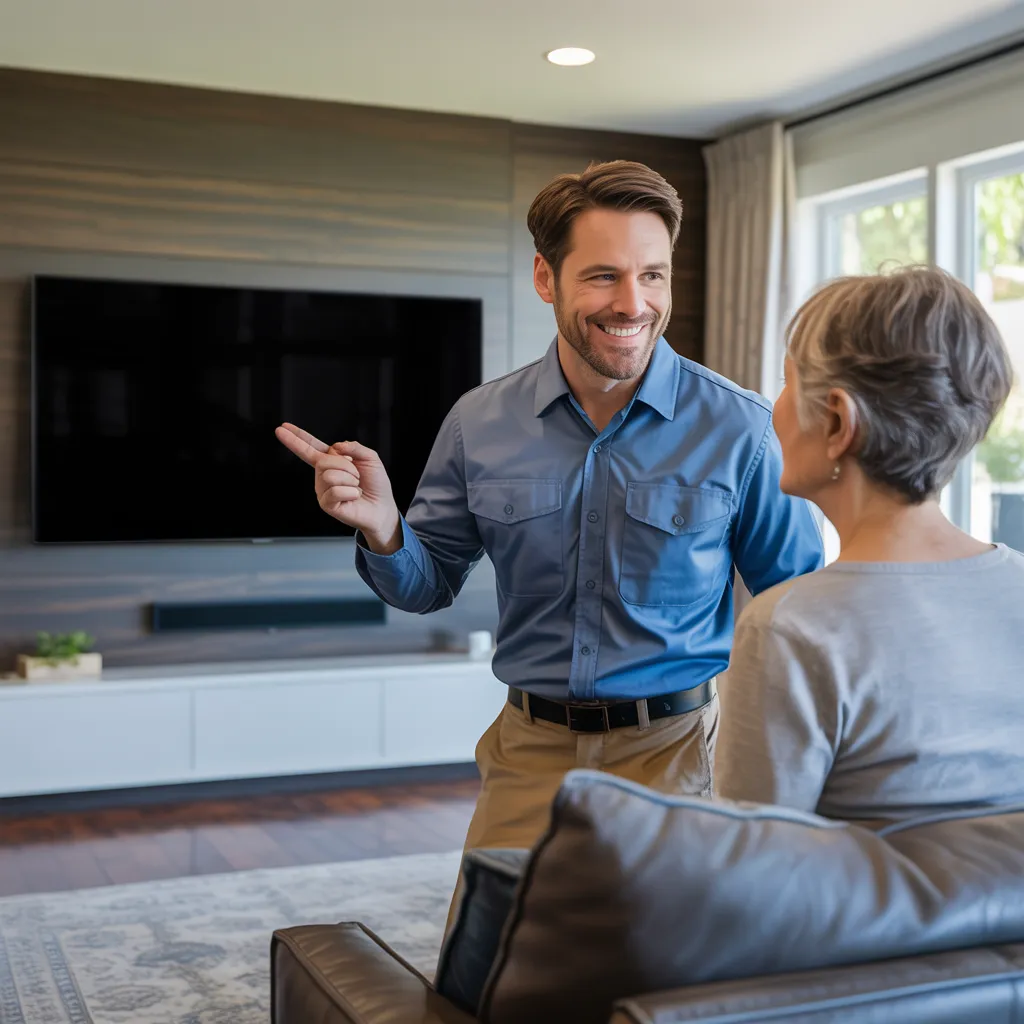
When homeowners consider installing their TVs on the wall, they often overlook the value of using skilled professionals. Expert wall mounting ensures not only proper installation but also enhances safety. Qualified professionals have the training and capabilities necessary to examine wall structures, identify wall studs, and calculate the ideal placement for comfortable viewing. This level of skill decreases the chance of injury to walls or the television unit.
Moreover, skilled technicians can proficiently oversee wire and cable routing, achieving a polished and structured finish. These professionals recognize the necessity of merging visual appeal with practicality, confirming that the installation suits the general decor of the space. Additionally, engaging expert services commonly provides assurances and warranties, giving homeowners confidence regarding their investment. When opting for professional TV mounting solutions, residents can benefit from a stress-free installation, leading to a safe and aesthetically pleasing installation that elevates their home environment.
How Wall Mounting Improves Your Home's Overall Aesthetic
Wall-mounting helpful tips a TV can dramatically improve a home's aesthetic appeal, as it removes oversized furniture and produces a sleek appearance. By positioning the TV at eye level, it improves the overall watching experience while preserving a sleek, contemporary atmosphere. This clean-cut method not only reduces clutter but also allows for more versatile room layouts, making spaces feel larger and more open.
Additionally, wall-mounted TVs serve as a centerpiece, giving homeowners to design around them with shelves or artwork that harmonizes with the overall decor. The inclusion of hidden wiring further elevates the visual appeal, offering a polished appearance that enhances both style and functionality.
Moreover, wall mounting supports a current feel, reflecting prevailing design trends that prioritize minimalism and refinement. When all is considered, this carefully considered placement enhances a home's entire atmosphere, reshaping ordinary living spaces into distinguished spaces.
Your Experience During TV Wall Mounting
Planning for TV wall mounting involves a series of systematic steps to achieve a seamless installation process. First, the technician evaluates the wall structure and locates the best mounting location, accounting for factors such as wall studs and cable management. Upon choosing the suitable mounting bracket, they verify that all necessary tools and materials are at hand.
The installation begins with precise measurements and marking the wall to maintain accuracy. The professional then firmly mounts the bracket, confirming it is properly leveled and firmly anchored. After the bracket has been secured, the TV is methodically positioned, with attention to cable connections and positioning for ideal viewing.
Once the installation is complete, the installer tests the setup, ensuring that the TV works properly and delivers the intended look. Once complete, all packaging and debris are cleared away, leaving the space tidy and ready for enjoyment.
Top Guidelines for TV Wall Mount Placement
Choosing the ideal position for mounting a TV requires several key factors to optimize both functionality and visual appeal. Initially, the viewing distance is essential; a distance of 1.5 to 2.5 times the diagonal measurement of the screen is ideal for the best comfort. Additionally, eye level is important; the center of the screen should be level with the viewer's eye level when in a seated position. This delivers an enjoyable viewing experience without putting strain on the neck.
Moreover, the surface and structure of the wall must be examined to minimize the risk of damage. Mounting on a stud rather than drywall provides better support. Natural light should also be considered, as glare may reduce visibility; it is recommended to position the TV away from direct sunlight. To conclude, easy access to power outlets and proper cable management should be taken into account to ensure a neat and tidy appearance. Implementing these steps results in an ideally placed TV that complements the overall room design.
5 Major Advantages of Expert TV Wall Mounting versus DIY
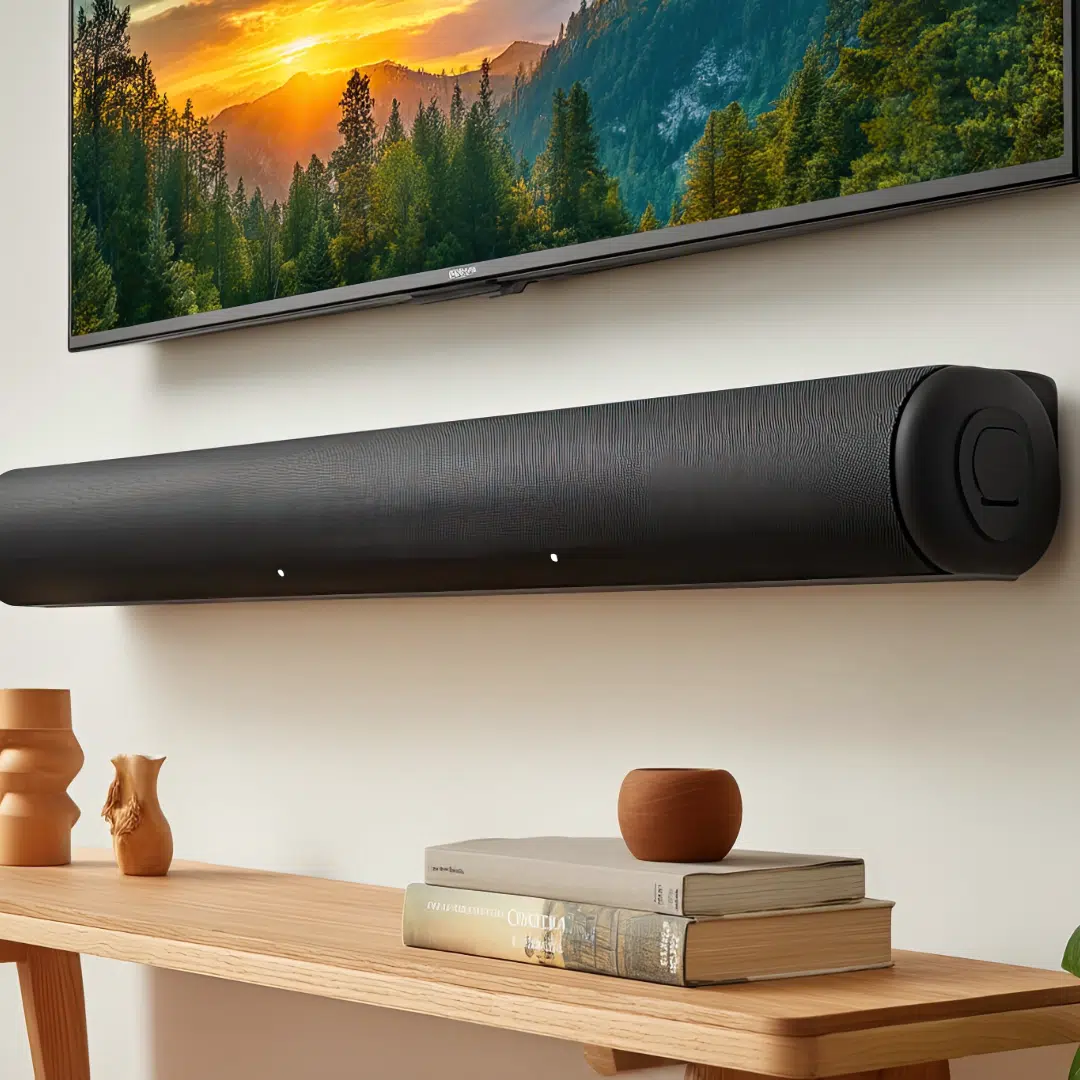
Choosing a professional provider for TV wall mounting can offer significant advantages over a self-installation approach. To begin with, professionals possess the expertise to choose the right mounting brackets and hardware, guaranteeing optimal safety and stability. Furthermore, they are armed with professional tools that facilitate efficient installation, reducing the risk of damage to walls or the TV itself. Moreover, professionals can determine the optimal viewing angles and placements, enhancing the overall aesthetic and functionality of the space. Beyond that, professional services often come with warranties, delivering confidence should any issues arise post-installation. To conclude, hiring experts conserves time and energy, freeing homeowners to enjoy enjoying their entertainment systems rather than struggling with installation. Overall, these advantages highlight the value of selecting professional TV wall mounting services.
Steer Clear of These Typical TV Wall Mounting Errors
Installing a TV on the wall can be a rewarding endeavor, but several common mistakes can lead to frustration and potential damage. One frequent error is failing to locate wall studs, which can result in inadequate support for heavier TVs. Additionally, neglecting to account for cable management can create an unsightly appearance, compromising the clean aesthetic of a wall-mounted television. Poor height selection represents another typical mistake; placing the TV too far up or down can create neck discomfort and reduce enjoyment. Additionally, selecting incorrect mounting components can undermine security and support. In addition, ignoring the proper viewing angle with respect to furniture placement can negatively impact the overall enjoyment. By avoiding these pitfalls, individuals can guarantee a successful installation that enhances their living space. Enlisting expert assistance can also minimize these concerns, delivering proficiency and attention to detail for an impeccable result.
Frequently Asked Questions
How Long Does a Regular TV Wall Mounting Service Typically Take?
An average TV wall mounting job requires approximately one to two hours. Elements such as wall material, mounting height, and necessary cable management may influence the total time needed for setup and installation.
What Tools Are Needed for DIY TV Wall Mounting?
Key tools for DIY TV wall setup consist of a wall stud locator, level, electric drill, fasteners, wall anchors, measuring tape, and a socket set. This equipment ensure a stable and exact mounting for perfect watching experience.
Can I Mount a TV on Any Wall Type?
Yes, a TV can be mounted on several wall types, including concrete, drywall, and brick. That said, appropriate hardware and installation methods are vital for ensuring stability and safety across diverse surface types.
Am I Required to Bring My Own Wall Mount?
Generally, clients are responsible for providing their own wall mount, guaranteeing it is compatible with their TV and wall type. That said, some providers may offer wall mounts for sale, so checking ahead of time is strongly suggested.
Is Wall Mounting Safe for Large, Heavy TVs?
Wall mounting large, heavy TVs can be safe when the right mounts and installation methods are applied. It's crucial to select appropriate hardware and confirm that the wall structure is capable of adequately supporting the TV's weight.